6 Reasons Why Native Plants Are Always Better
FotoSCAPE

6 Reasons Why Native Plants Are Always Better

Loved those azaleas at Grandma’s house? Before you plant, check if they are native to your region. Non-native plants can be a headache. Going native saves money and helps the ecosystem. Here is why it matters.
A native plant is one that developed naturally in that region. It evolved into the plant it is today based on the ecosystem of the area to which it is native. The soil, climate and wildlife are absolutely perfect for a native plant, because it basically grew up there.

As they evolve, many plants develop a requirement for a particular soil pH. Some plants—like azaleas—need acidic soil, while others need alkaline or neutral soil. Some plants, of course, can tolerate a range of pH levels, but many have specific needs.

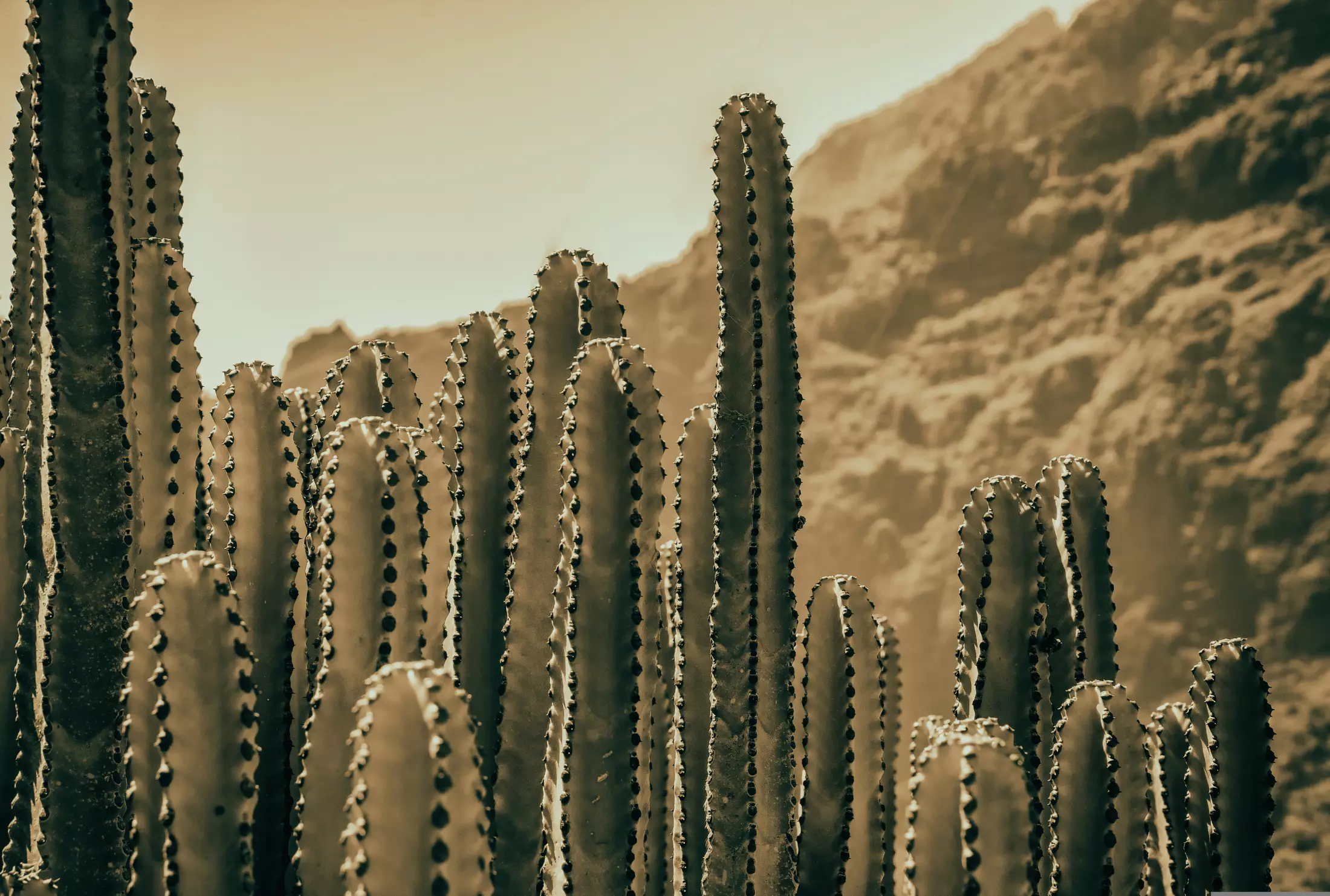
Plants that evolve in a particular area develop based on the water availability in that region. If you try to plant a cactus-like sotol plant in Seattle, for example, it’s going to get way too much water and it will die. Instead, perhaps, choose a rhododendron, which needs lots of water.

Some plants simply cannot tolerate heat. Even if a plant is drought-tolerant, it might not be able to take hot temperatures, so, if your area gets really hot, you’re better off choosing a plant native to areas that see 100-degree temperatures during the summers.

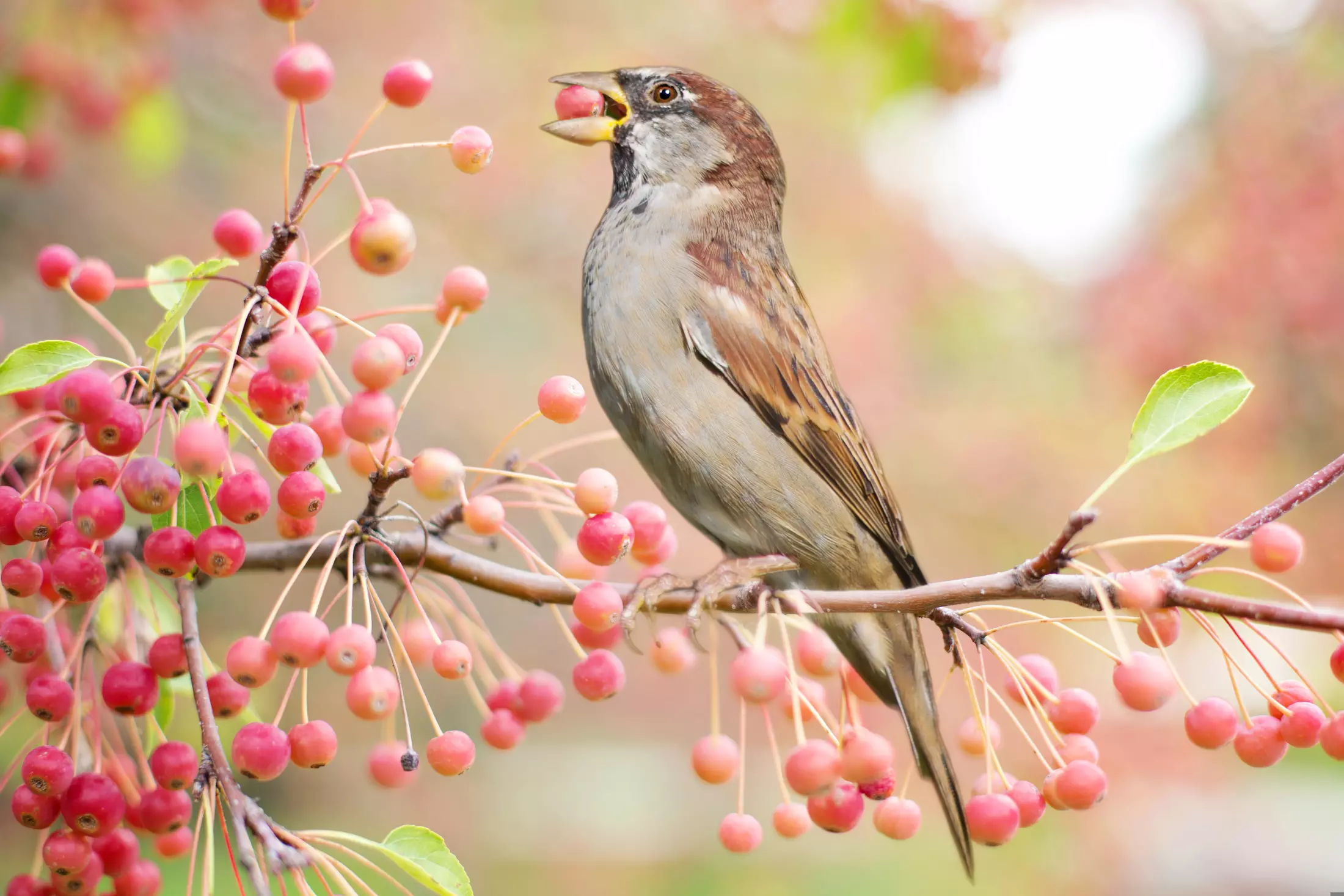
Native plants are a part of a regional wildlife ecosystem, whereas non-native can upset that balance. Certain insects for example, have a symbiotic relationship with particular plants, and both the insect and the plant need each other to survive. Birds depend on particular plants for nourishment.

Native plants are typically lower-maintenance than non-native plants. They typically need less supplemental water, less fertilization and less babying. They flourish and look their best with little effort because they were born to be there.

Recommended For You.