
Patagonia, located between Argentina and Chile, is the southernmost tip of the Americas—a territory of wind, ice, and steppe. Snow-capped mountains, glaciers, jagged coastlines, and small towns exist in close proximity. Swipe to learn about its geography, history, and experiences.

On the map, Patagonia occupies the southern tip of South America, where the continent narrows before giving way to the open ocean. Its terrain combines the snowy Andes in the west and a plateau of cold steppes toward the Atlantic. The climate is windy, contrasting a humid west with a dry east, where glaciers, lakes, and cold deserts are found very close together.
Photography: Unsplash/Hans Jurgen Weinhardt
In Patagonia, westerly winds blow almost ceaselessly, defining daily life. The Chilean side receives abundant rain and snowfall that feed forests and glaciers, while the Argentine side is much drier, resembling a cold steppe. Temperatures drop as you descend south, and the weather can change in a matter of minutes.
Photography: Unsplash/Kurt Cotoaga
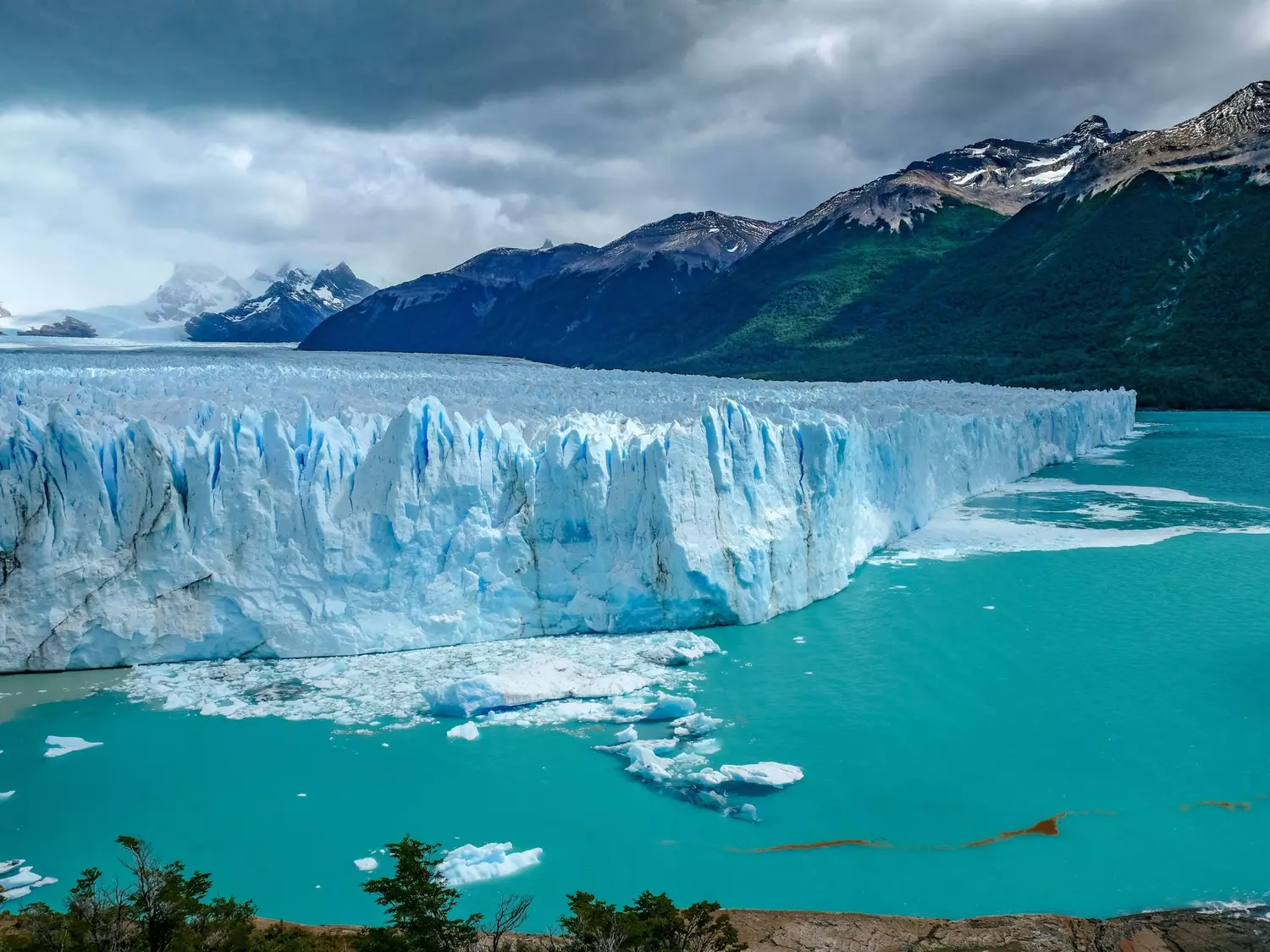
The Patagonian Andes hold some of the most impressive glaciers in the world, such as the Northern and Southern Patagonian Ice Fields. From these ice masses descend glacial tongues that end in turquoise lakes or ice walls that rupture with a thunderous crash. Famous parks like Torres del Paine or Los Glaciares allow you to walk near these landscapes of living ice.
Photography: Pexels/Sergey Guk
Patagonia is home to iconic wildlife such as guanacos, rheas (ñandúes) that run across the steppe, and foxes that camouflage themselves in the grass. Along the coast and islands, you can find Magellanic penguins, sea lions, and, in certain seasons, whales approaching the shore. Great Andean condors fly over the mountains, making the wildlife as much a protagonist as the landscape of ice and rock.
Photography: Unsplash/Agus Buscaglia
Patagonia appeared on ancient maps as the gateway to an unknown continent and still maintains its reputation as a remote region today. The first European to arrive was Ferdinand Magellan, who navigated the Strait of Magellan. Today, much of the territory remains sparsely populated, with cities like Punta Arenas and Puerto Natales.
Photography: Pexels/Gabii Fernandez
The region is home to a mix of modern cities, small mountain villages, and livestock ranches (estancias). Native communities such as the Mapuche and Tehuelche maintain traditions and their bond with the land, despite facing historical challenges. Rural life revolves around sheep and cattle farming, while nature tourism is gaining importance as a source of income.
Photography: Pexels/Cecilia Risiglione
In Patagonia, you can trek through mountains, sail in front of glaciers, or travel scenic routes like Argentina's Route 40 or Chile's Carretera Austral. Adventure tourism includes kayaking in cold lakes, wildlife watching, and horseback riding at estancias. It is also an ideal destination for those seeking silence, clear skies, and nights with intense starlight.
Photography: Pexels/Julieta Camila Tosto
Climate change is causing many Patagonian glaciers to retreat, motivating conservation projects in both countries. New parks, marine protected areas, and private reserves seek to protect forests, wildlife, and landscapes of high ecological value. Traveling to Patagonia today means enjoying its beauty while understanding how fragile this extreme territory truly is.
Photography: Pexels/Sergey Guk